

Oil in the coolant?
Here's what you need to know as a car dealership!
Car dealerships and garages regularly encounter vehicles where oil has spilled into the coolant. This is often a result of a broken head gasket, a leaking oil cooler or, in rare cases, a crack in the engine block. The consequences can be serious: overheating, reduced engine performance and damage to the cooling system as oil deposits in pipes and radiators. The longer a vehicle goes on with this, the greater the likelihood of costly repairs and permanent engine damage.
But besides the technical impact, there is another problem: the waste management.
Hazardous Waste That Must Be Handled Properly
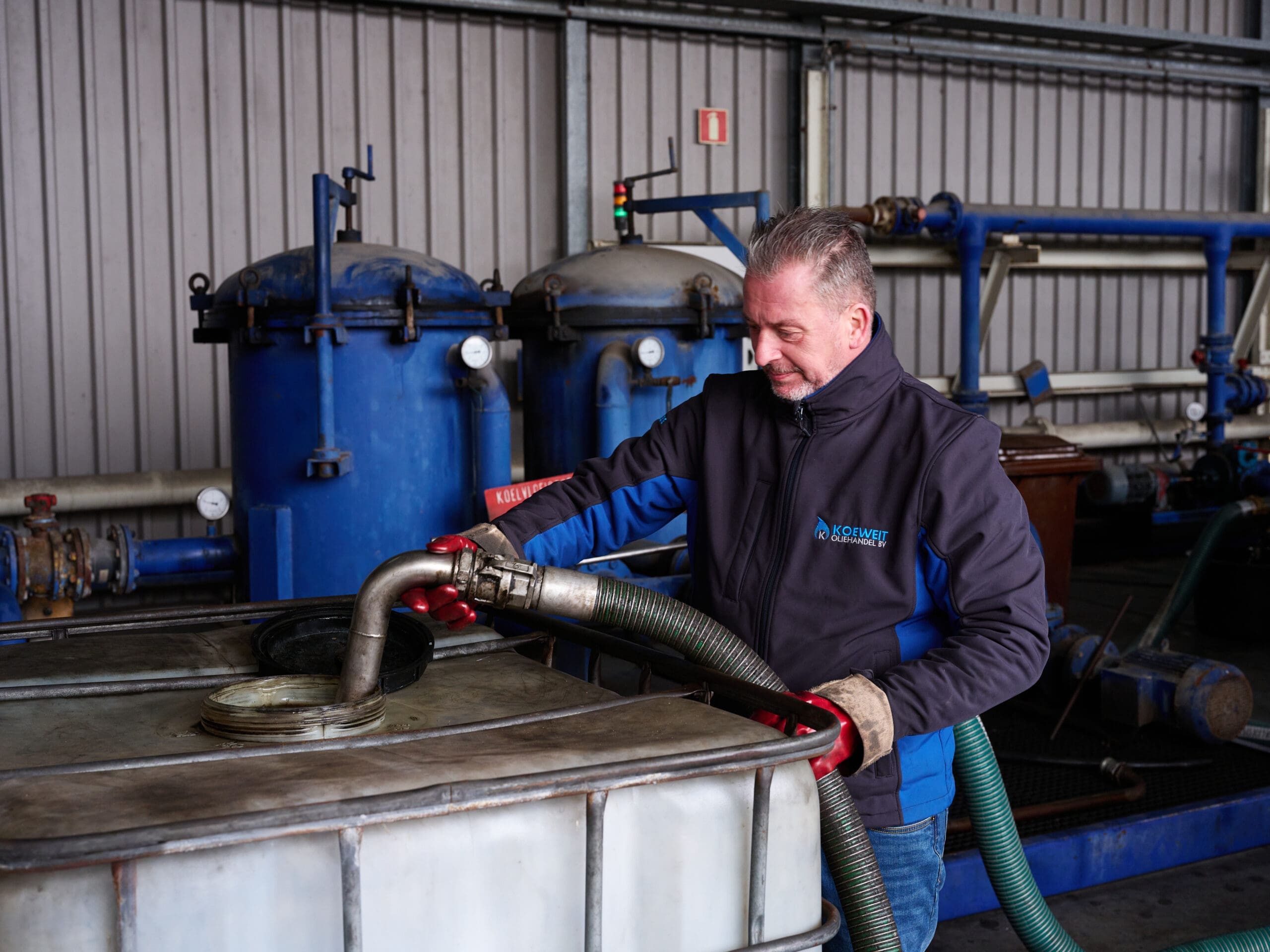
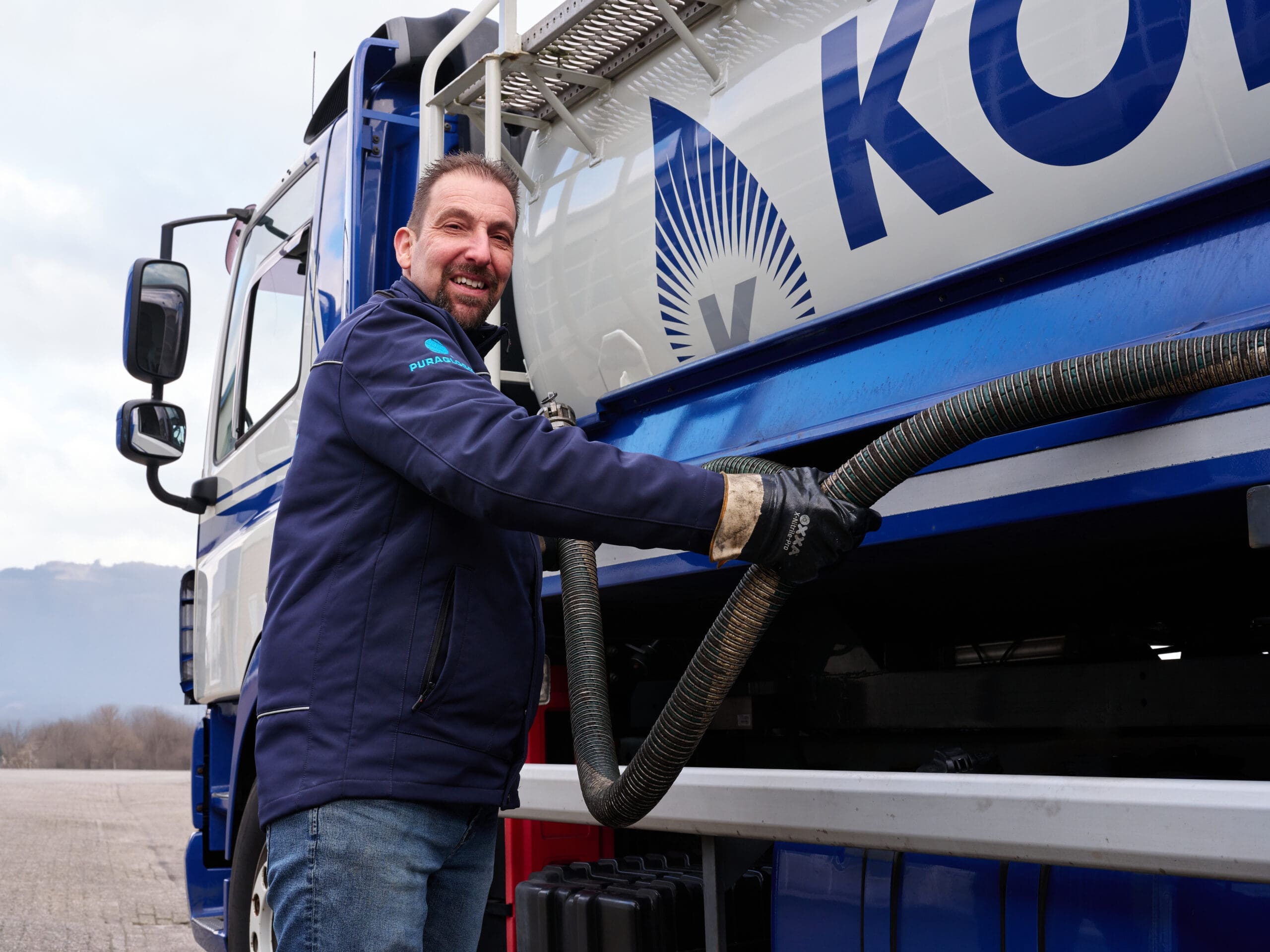
When (used) oil When coolant and other fluids mix, they create waste that cannot simply be discharged. The combination of these substances makes the fluid harmful to the environment and poses risks if it is not disposed of properly. To do this safely and in compliance with the law, a certified collector is required. Koeweit Oliehandel offers a complete solution for companies in the automotive and industrial sectors, from safe storage and transport to proper processing. We hold all necessary permits and certifications, so you can be sure your waste is disposed of in accordance with regulations. In addition, we ensure that, as approved collector, for proper documentation so that you can always prove that the waste has been handled responsibly.
- Fast pickup throughout the Netherlands
What should you do if
Do you have oil in your coolant?
As soon as you notice that oil and coolant have mixed, quick action is crucial. First, have the defect investigated and repaired to prevent further damage to the engine. Next, thoroughly flush the entire cooling system to remove all oil residue. The contaminated coolant released in the process should be collected in an appropriate container and should not end up in the sewer system or in nature. Because this fluid is used as hazardous waste is considered, it is mandatory to engage a licensed collector for disposal.
Koeweit Oil Trade takes care of this process completely for you. We ensure that your spent coolant is processed in a safe, environmentally friendly and legally compliant manner.
Still no oil in your coolant? Read all about the correct drainage of coolant.
Do you have oil in coolant? We'll take care of it!
Do you work with auto maintenance and have oil in coolant that needs to be disposed of? We help car dealerships, garages and industry with safe, certified collection and disposal. Schedule your collection immediately or get in touch.
- Fast pickup throughout the Netherlands

Environmental impact and sustainability
We see oil in coolant not as waste, but as a raw material with value. Through responsible collection and innovative processing, we minimize the impact on the environment. Thus, together with our customers, we contribute to a circular economy and a cleaner future.
Frequently Asked Questions
Can I dispose of oil in coolant myself?
No, companies are required to have this collected by a licensed collector like Koeweit Oil Trading.
Can oil get into coolant?
Yes, oil can get into the coolant due to a defect in the engine. The most common causes are a broken head gasket, a leaking oil cooler or a crack in the engine block or cylinder head. This causes engine oil to mix with the coolant, which is harmful to the engine and cooling system.
What happens when you put motor oil in the coolant?
If engine oil gets into the coolant, the coolant loses its effectiveness and the cooling system can become clogged with oil deposits. This can lead to overheating, accelerated wear of engine components and possibly permanent engine damage. In addition, disposing of the contaminated coolant becomes more complex because it is now considered hazardous waste.
How can garages and workshops safely dispose of contaminated coolant?
As a garage or workshop, you may not discharge contaminated coolant yourself or mix it with other waste streams. This is considered hazardous waste and requires a licensed collector like Koeweit Oil Trading. Koeweit Oil Trading offers a complete disposal solution, including safe storage and certification.
Why is my coolant brown?
Brown coolant can indicate several problems. It could mean that oil has entered the cooling system due to a faulty head gasket or oil cooler. Another possible cause is corrosion and rust in the cooling system, especially if old or improper coolant has been used. In either case, it is important to identify the cause, flush the system and replace the contaminated coolant.
What certifications does Koeweit Oil Trading have?
We comply with all Dutch and European environmental requirements, including VIHB registration.