
Waste oil is not the end. It is the beginning of a new, circular chain in which valuable raw materials are preserved and reused (oil recycling). At Koeweit Oliehandel, we believe that waste materials are not worthless byproducts, but raw materials in the making. By professionally collecting, processing, and reusing used oil, we reduce environmental damage and actively contribute to CO₂ reduction.
Since January 2024, Koeweit Oil Trading has been part of the PURAGLOBE Group, a global leader in upcycling waste oil. State-of-the-art oil refining technologies upgrade used oil into high-quality base oils and lubricants. PURAGLOBE's technologies help reduce CO₂ emissions during the refining process by up to 80%.
With that, oil recycling is much more than waste management. It is a concrete step toward a circular economy.
Collection:
Recycling as the foundation of sustainable oil
Oil recycling starts with safe and controlled collection. For automotive and industrial companies, this includes waste oil, as well as liquid waste streams such as coolant, brake fluid and oleaginous waste.
Proper collection is essential for the quality of the raw material that is later reused. This is why Koeweit Oil Trade works with specialized oil collection trucks and controlled processes. Different waste streams can be collected separately so that quality is maintained and follow-up steps can be carried out efficiently.
For garages, workshops, transport companies and industrial organizations, this means security. Waste streams are disposed of safely, registered correctly and processed in a sustainable manner. At the same time, separate collection helps to limit unnecessary transport movements and reduce environmental impact.
- Fast pickup throughout the Netherlands
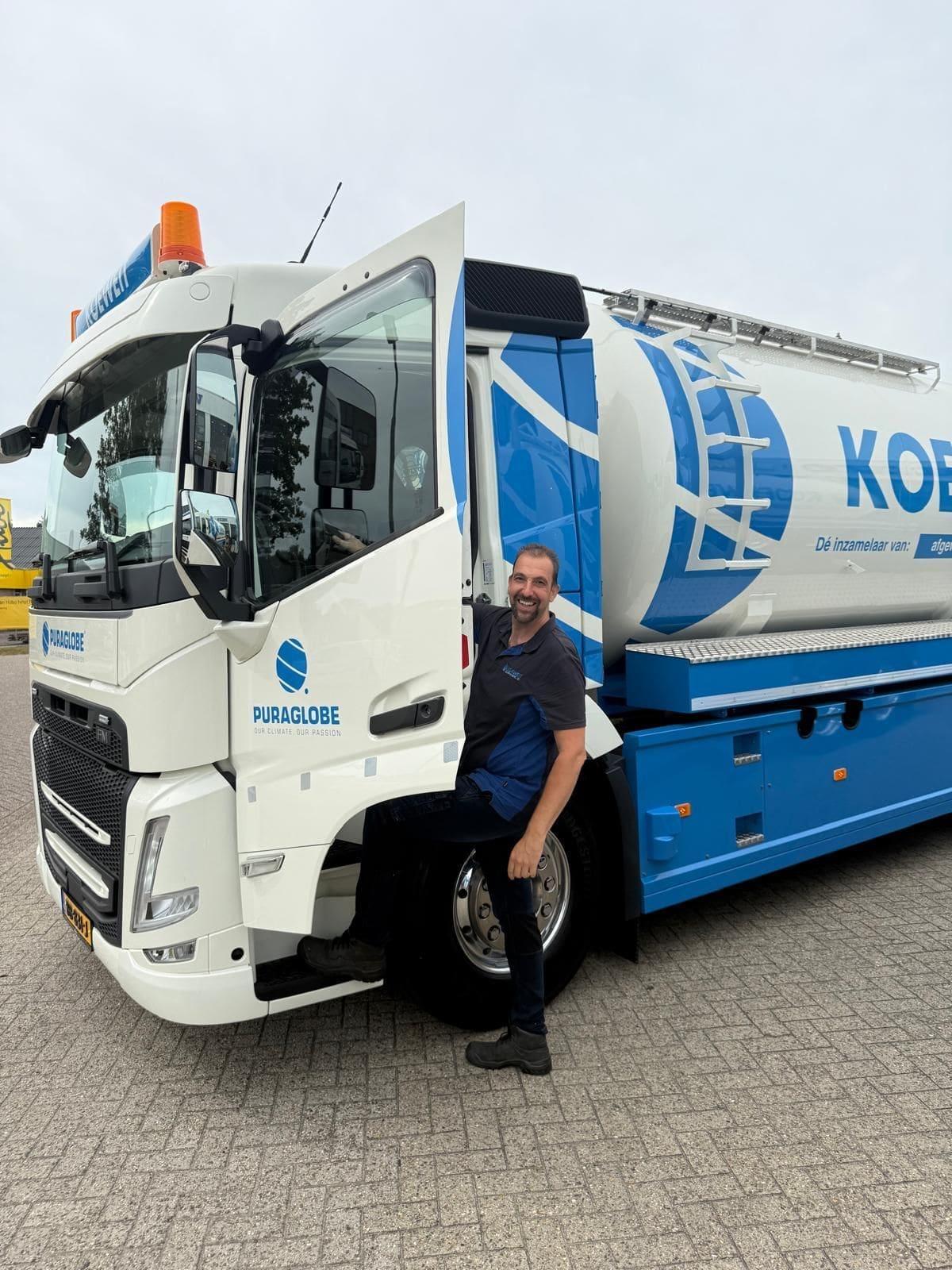
picks up your oil with its own vehicles
Advanced sensors for your tanks
Utilizes in-house laboratory
Has an extensive tank farm
Sustainable recycling for circular economy
fast service throughout the netherlands
Company-owned vehicles
In-house laboratory
Sustainable Recycling
Fastest service in the entire Netherlands
Refining:
From used oil to a reusable raw material
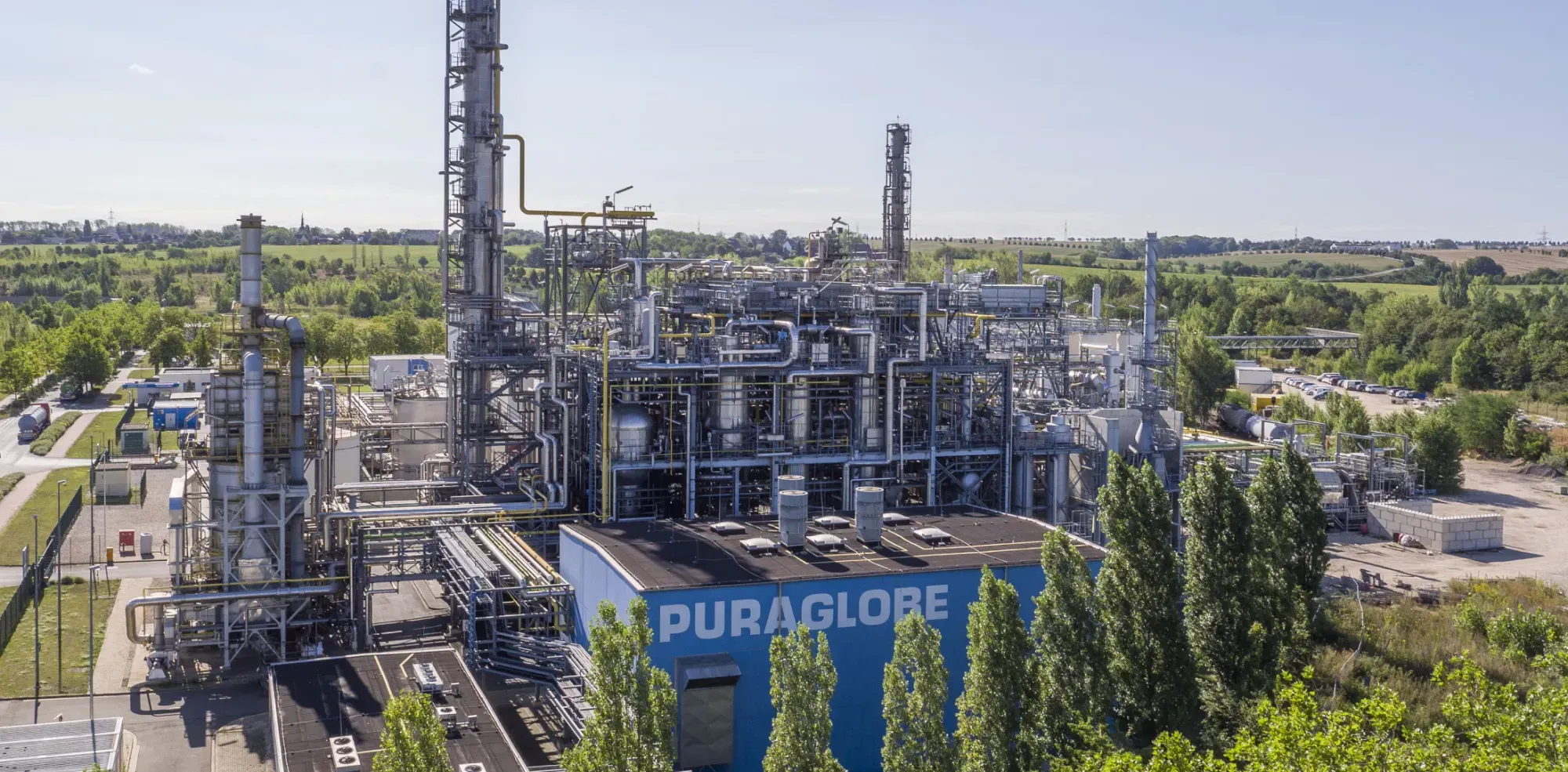
Collection is followed by refining. In this stage, waste oil is not destroyed or low-grade reused, but carefully processed with advanced technology. Unwanted substances such as water, metals and contaminants are removed, while valuable oil components are retained.
This requires high-tech plants, controlled processes and years of expertise. Thanks to the technology within the PURAGLOBE Group, waste oil can be upgraded into a raw material that is once again suitable for high-quality applications.
The difference from traditional production is significant. Whereas new oil production depends on fossil resources, refining waste oil uses material that is already available. This reduces waste and preserves value within the chain.
Moreover, this form of oil recycling contributes to measurable CO₂ reduction. Companies that have their waste oil collected responsibly thus make a direct contribution to sustainable entrepreneurship.
Group III base oils:
High-quality products made from used oil
An important result of refining is the production of Group III base oils. These are high-quality base oils used for modern lubricants with high performance requirements.
Group III base oils are known for their purity, stability and strong performance under a variety of conditions. They form the basis for lubricants used in modern engines, machinery, hydraulic systems and industrial plants, among others.
The remarkable thing is that this quality can be created from waste oil. What was once considered waste becomes a valuable raw material again through innovative refining. With this, oil recycling shows that sustainability and technical quality go together extremely well.
For companies in the automotive and industrial sectors, this is important. They not only want to comply with laws and regulations, but also to make a demonstrable contribution to circularity and CO₂ reduction. By making waste oil part of a high-quality recycling chain, that impact becomes concrete.
The Volvo chassis was delivered through Nijwa BV, while the calibrated weighing system came from Welvaarts Weegsystemen. In terms of appearance and finishing, the company also cooperated with specialized parties.
blending:
From base oil to a new lubricant
The production of Group III base oils is followed by blending. In this step, base oils are combined with carefully selected additives. This creates new lubricants with specific properties for different applications.
Think of lubricants with extra protection against wear, better oxidation stability, corrosion resistance or good performance at varying temperatures. By choosing the right composition, a lubricant can be tailored exactly to the requirements of automotive, transport, industrial and engineering applications.
This completes the circular chain. Waste oil is collected, refined, reprocessed into Group III base oil and reused as a high-quality lubricant via blending.
Recycling oil as part of
a circular economy
At Koeweit Oil Trading, sustainability does not stop at collection. By managing and monitoring the process from start to finish, we ensure that waste streams are responsibly processed into new raw materials.
In addition to waste oil, it also involves coolant, brake fluid, oil filters and oily waste. These streams are recycled through carefully controlled processes with attention to safety, quality and environmental benefits.
Thus, we help customers not only with a practical solution for their waste streams, but also with a concrete contribution to a cleaner future. Oil recycling is thus not a separate operation, but a circular chain in which collection, refining, Group III base oils and blending come together.
For companies that want to do business responsibly, that chain starts with the right collection partner.
- Fast pickup throughout the Netherlands
The Volvo chassis was delivered through Nijwa BV, while the calibrated weighing system came from Welvaarts Weegsystemen. In terms of appearance and finishing, the company also cooperated with specialized parties.
