
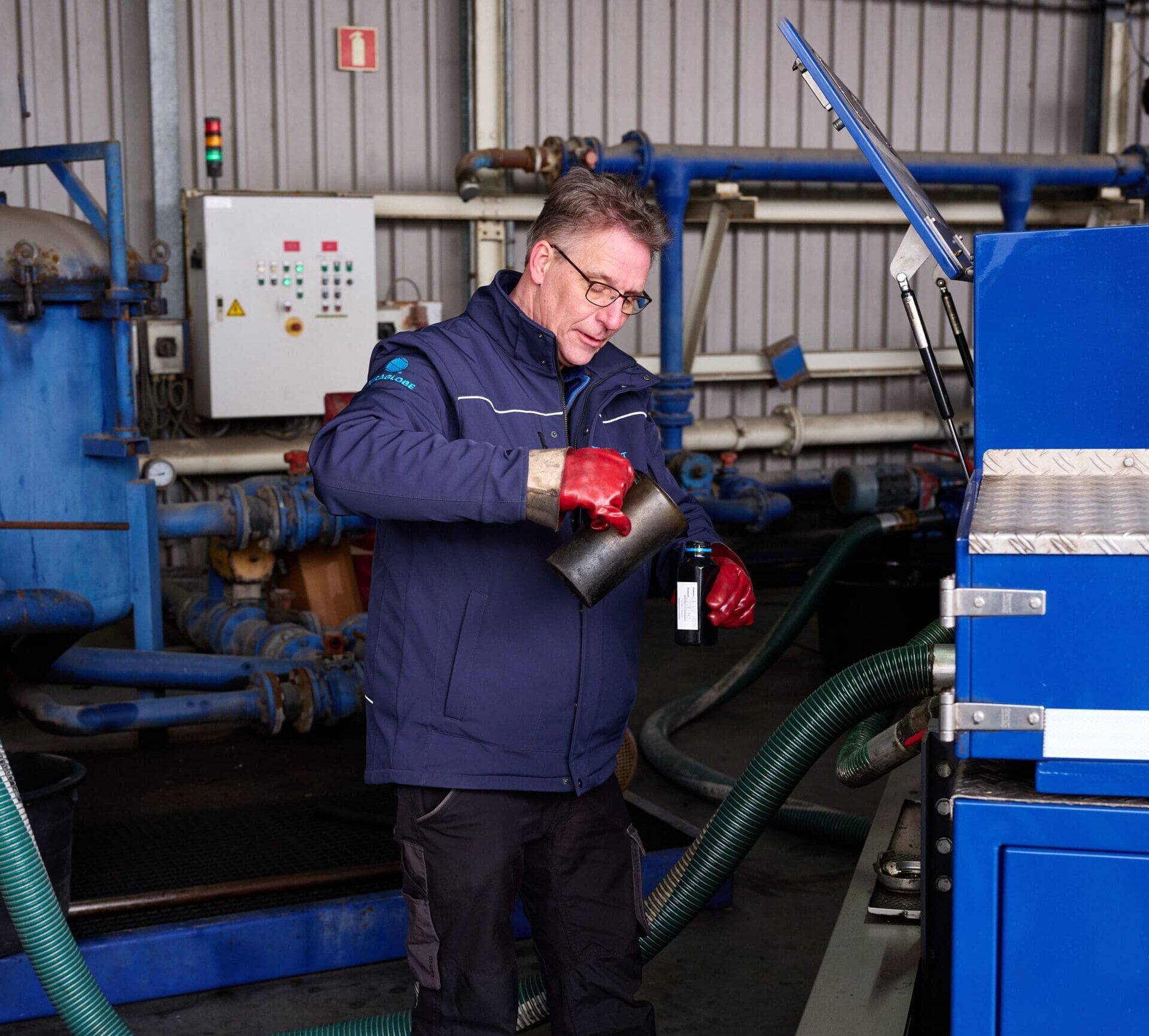
Transformer oil plays an essential role in electrical installations within the industrial and energy sectors. This specialized oil provides cooling and electrical insulation, enabling transformers to function reliably. However, prolonged use, high temperatures, and contamination can cause the quality of transformer oil to deteriorate. When the oil is no longer suitable for use, timely replacement is crucial to prevent malfunctions and damage. What exactly is transformer oil, how do you recognize a decline in quality, and what should you keep in mind when disposing of transformer oil? In this article, we explain how the oil works, what risks aging entails, and how Koeweit Oil Trading helps companies with the responsible collection of PCB-free transformer oil.
What does transformer oil do?
Transformer oil is a specially formulated insulating fluid used primarily in oil-filled electrical transformers. The oil serves two important functions: electrical insulation and heat dissipation.
When a transformer is in use, heat is generated in the windings and the core, among other parts. The oil helps to dissipate and remove this heat, ensuring that the equipment continues to operate within the permitted temperature limits.
In addition, its insulating properties prevent electrical breakdown between live components. The quality of transformer oil therefore directly affects the safety, reliability, and service life of the system.
Transformer oil is used in industrial facilities, transformer stations, and electrical distribution networks, among other places. Especially in locations where operational continuity is essential, a decline in oil quality can have significant consequences.
Cooling and Heat Dissipation
When electricity flows through a transformer, heat is generated. The oil absorbs some of this heat and transfers it to surfaces or cooling systems where the heat can be dissipated.
Effective heat transfer helps prevent overheating. When cooling is inadequate, higher temperatures can accelerate the aging of insulation materials.
Electrical Insulation
In addition to cooling, transformer oil serves an important insulating function. The oil helps prevent electrical discharges from occurring between components with different electrical potentials.
An important property is dielectric strength, also known as electrical breakdown strength. This indicates the extent to which the oil can withstand an electric field without breaking down.
Moisture, contaminants, and certain aging byproducts can negatively affect the insulating properties of transformer oil. That is why it is important to have the quality checked regularly.
Types of Transformer Oil
and their applications
Not every transformer uses the same insulating fluid. The choice depends, among other things, on the type of installation, the technical specifications, and the conditions under which the transformer is used.
Mineral transformer oil is widely used because of its good insulating properties and heat transfer characteristics. The international standard IEC 60296 applies to new mineral insulating oil.
In addition, there are synthetic insulating fluids and natural or synthetic esters. These can be used, among other things, when specific requirements apply in the areas of fire safety or environmental impact.
Different fluids do not always have the same properties and processing capabilities. This distinction is also important when used transformer oil needs to be disposed of.
Aging and Timely Replacement of Transformer Oil
There is no fixed replacement interval for transformer oil that applies to every installation. Its service life is influenced by factors such as operating temperature, load, the presence of oxygen and moisture, and the overall condition of the transformer.
During prolonged use, the oil can degrade due to oxidation and thermal stress. This can lead to the formation of degradation products that impair the oil's properties.
Contamination with water or solid particles can also reduce quality. Possible consequences include a lower breakdown voltage, accelerated aging of insulation materials, and an increased risk of malfunctions.
A change in color may be a sign that the oil is aging, but it is not, on its own, sufficient to reliably assess its quality.
Quality Control of Transformer Oil
To determine whether transformer oil is still suitable for use, specialized maintenance companies can perform an oil analysis.
Among other things, the following properties are examined:
- Moisture content: Too much water can reduce the oil's insulating properties.
- Electrical breakdown voltage: This measurement provides information about the resistance to electrical breakdown.
- Acidity: Elevated acidity may indicate oxidation and aging.
- Presence of contaminants: solid particles and degradation products can affect the oil's performance.
The international standard IEC 60422, among others, is used for monitoring and maintaining mineral insulation oil.
Based on the results of the inspection, a professional maintenance provider can determine whether further treatment, regeneration, or replacement is necessary.
Not all used oil needs to be disposed of immediately. When the oil is no longer technically suitable and is permanently removed from the system, it must be disposed of responsibly.

Transformer Recycling
When maintaining, replacing, or dismantling a transformer, various materials may be released. These include metal parts, insulation materials, and transformer oil.
However, recycling an entire transformer is not the same as recycling the oil it contains. The oil constitutes a separate material stream subject to specific requirements.
When transformer oil is replaced or is released during the decommissioning of a facility, it is important to collect it separately and carefully.
Depending on its composition and quality, transformer oil may be suitable for recycling. However, not every type of oil is suitable for the same recycling process.
At Koeweit Oil Trading, we focus on the collection of used oils, including PCB-free transformer oil, so that they can be processed through an appropriate treatment route.
Disposing of Transformer Oil: Regulations and Considerations
When transformer oil is permanently disposed of, it must not simply be discharged, discarded, or mixed with other waste streams.
Transformer oil is subject to waste regulations. Depending on its composition, specific requirements may apply to its storage, collection, transportation, and treatment.
It is therefore important for companies to determine in advance what type of oil is involved and whether any potentially harmful contaminants are present.
A particular point of concern is the possible presence of PCBs in older transformer oil.
The Importance of a Licensed Collector
Companies that wish to have used oil disposed of must comply with the applicable waste management regulations.
A collection permit is required in the Netherlands for the collection of transformer oil. The Human Environment and Transport Inspectorate (ILT) oversees compliance with these regulations.
One of the goals is to prevent transformer oil from being collected or processed in a way that is unsafe or harmful to the environment.
Koeweit Oliehandel is a registered collector and is listed under the business name Oliehandel Koeweit B.V. in the official Overview of ILT-Licensed Collectors.
By disposing of transformer oil through an authorized collector, you ensure that the waste stream is treated through a controlled process.
PCBs in transformer oil
PCBs, or polychlorinated biphenyls, are chemicals that were formerly used in electrical installations, among other applications, because of their insulating and thermal properties.
These substances can be harmful to people and the environment and degrade very slowly. For this reason, strict regulations govern the management and disposal of PCB-containing waste.
With older transformers, it is important to consider the possibility of PCB contamination. It is not possible to reliably determine whether oil contains PCBs based on its color, odor, or appearance.
Koeweit Oil Trading collects only PCB-free transformer oil that meets the applicable acceptance criteria. The oil must be presented separately and accompanied by a PCB-free certificate.
If it is unclear whether the oil is PCB-free, this must be determined first before it can be submitted for regular collection.
Transformer oil containing PCBs requires a separate, appropriate disposal process.
Collection of PCB-free transformer oil by Koeweit Oil Trading
Is your company looking to have transformer oil disposed of? At Koeweit Oil Trading, we handle the collection of PCB-free transformer oil throughout the Netherlands.
With our own vehicles, our own laboratory, and experience in the collection of industrial oils, we have the resources to professionally collect and treat suitable waste streams.
When it comes to transformer oil, it is important to know in advance which fluid needs to be drained.
Registering the waste stream
Please specify the type of transformer oil, its origin, and the quantity to be collected. Based on this information, we can assess the options and acceptance criteria.
Verification of the composition
Transformer oil is accepted only if it is PCB-free and meets our acceptance criteria. A PCB-free declaration is required.
Collection and Transportation
If the oil meets the requirements, we’ll schedule the pickup. Our drivers handle the transport using our own collection vehicles.
Review and Further Processing
After collection, the oil is inspected in accordance with our procedures and, depending on its composition and quality, is further treated or processed.
The safe draining of oil from an electrical transformer and de-energizing the system are specialized electrical engineering tasks. These must be performed in advance by a qualified party.
Would you like to learn more about our services? Read about how we help companies with waste oil disposal.
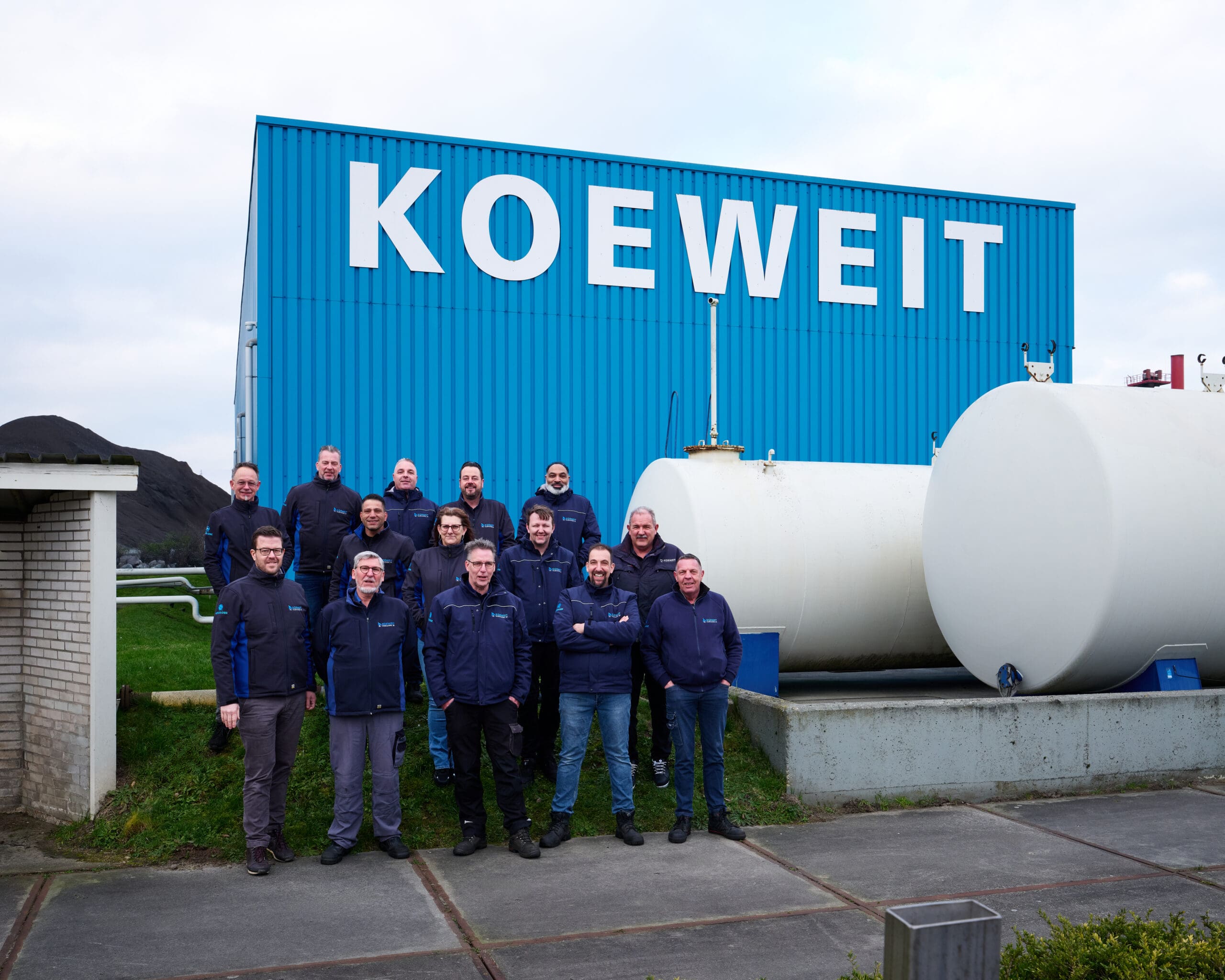
Why choose Koeweit Oil Trading?
When disposing of transformer oil, you want to work with a collector that has the proper permits, expertise, and resources.
Koeweit Oil Trading specializes in the collection and processing of used oil and other oil-containing waste streams.
We handle collection throughout the Netherlands using our own vehicles. In addition, we have our own laboratory, tank farm, and facilities for processing suitable used oils.
Because we manage the collection and further processing of oil in-house, we have direct insight into the various stages of the process.
For PCB-free transformer oil, we would be happy to explore the options for your company so that disposal can be handled professionally and responsibly.
Processing and Reuse of Used Transformer Oil
Used oil is often viewed as a waste product, but certain oil streams still contain valuable raw materials that can be reused.
At Koeweit Oil Trading, we focus on the high-quality processing of suitable used oils. By carefully inspecting and processing these oils, valuable raw materials can be recovered.
At our processing facility, suitable oil streams can be refined into base oil, which can then be reused in the production of lubricants.
Whether a specific batch of transformer oil is suitable for regeneration depends, among other things, on the type of oil, its quality, and the presence of contaminants.
Proper separation and collection are therefore important. This prevents suitable oil streams from being unnecessarily contaminated and ensures the highest possible quality of processing.
Need to have transformer oil drained?
Do you have used transformer oil that is no longer suitable for use? If so, we’d be happy to work with you to explore your collection options.
At Koeweit Oil Trading, we handle the disposal of PCB-free transformer oil for companies throughout the Netherlands. In doing so, we take into account the oil’s composition, the quantity, and the applicable acceptance conditions.
Would you like to have your transformer oil drained? Submit your pickup request or Request a quote to discuss the possibilities.
Frequently Asked Questions About
Transformer oil
What is transformer oil?
Transformer oil is an insulating fluid used for cooling and electrical insulation in transformers and certain other electrical installations. The oil helps dissipate heat and protects against electrical breakdown.
What type of oil is used in transformers?
Many transformers use mineral insulating oil. In addition, synthetic and natural ester fluids, among others, are used. The choice of oil depends on the technical specifications and operating conditions of the installation.
What is the best oil for a transformer?
There is no single insulation oil that is the best choice for every transformer. Mineral oil is widely used because of its electrical and thermal properties. In specific situations, ester-based fluids or other alternatives may be more suitable. Always follow the manufacturer’s instructions.
How often should transformer oil be replaced?
There is no fixed replacement interval for all transformers. The quality of the oil is affected by factors such as temperature, load, moisture, and oxidation. Periodic analyses help determine whether maintenance, treatment, or replacement is necessary.
Can used transformer oil be recycled?
Yes, certain types of used transformer oil can be treated or regenerated. Whether recycling is possible depends on the composition and the contaminants present. Oil containing PCBs requires a specific treatment process.
Can Koeweit Oil Trading dispose of transformer oil?
Yes, Koeweit Oil Trading collects PCB-free transformer oil, provided it meets the acceptance conditions. The oil must be submitted separately, accompanied by a PCB-free certificate.
How do I know if transformer oil is PCB-free?
For older transformers, a PCB analysis may be necessary to determine the composition. The presence of PCBs cannot be reliably detected by the color or odor of the oil. If the composition is unknown, it must first be determined.
How much does it cost to dispose of transformer oil?
The costs or any reimbursement depend on factors such as the quantity, composition, location, and the required collection method. Koeweit Oliehandel can assess the options based on the details of your waste stream.